

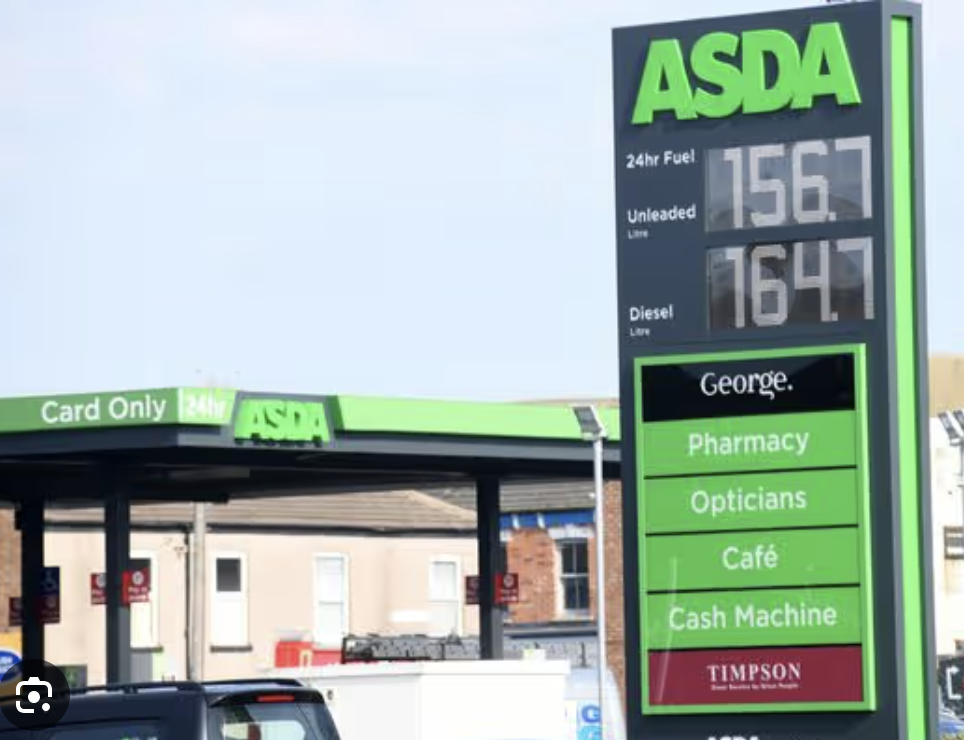
Asda used to be reliably below £1.28 a litre. Who’s job is it to watch out they don’t add a couple of percent to their bottom line? And why are they not doing it?
DESNZ, CMA, OFGEM, Mission Control, CCC, NESO, plus proliferating clean energy task forces and sub-committees. They are all well-meaning but ultimately ineffectual at protecting the consumer, cutting prices, taking control of clean energy, enthusing the voters, creating a geniuine consensus around local renwables.
THE GRID TRAP
DESNZ issued a release this month marking the first hundred schools to be fitted out with solar panels. Its all part of a PR smokescreen for the £8.3bn Grid Trap.
EXPLAINER VIDEO
How micropower can bring growth, new homes and resilience to places currently stuck in the grid queue? https://lnkd.in/eUNdszJP (Free for use/embed):
FAKE LOCAL ENERGY
Its true Ed’s 100 schools are “cutting their energy bills with clean, homegrown power” The Energy Secretary calls it ‘energy security,’ but the schools are being held hostage. Under current rules, they are legally barred from selling excess power directly to the families in their own street. Instead, they must feed it back into a centralised grid that wastes 9% of that electricity in transmission. It’s a ‘Grid Trap’ that keeps bills high.
Juergen Maier, Chair of Great British Energy, previously stated that “every household… can act as a small power station — generating, storing, and sharing clean energy locally.” But, as the film says, “if it doesn’t keep working when the grid goes down, it isn’t really local energy” [00:52].
The government is currently delivering the exact opposite. Today’s announcement is ‘fake decentralization’—forcing every watt through a centralised bottleneck to prioritise corporate control over community resilience.
POWER UP
The future isn’t a social project; it’s a strategic choice to let people own and share the power they produce today. True local power reaches the parts of the UK the grid cannot reach – new homes, EV chargers, left-behind areas. Of course data centres and hospitals will still need the grid, but for most of us, most of the time, local power is all we need.
Let me know your thoughts – subscribe for more and contact us if you have any news or comments – news@off-grid.net